

Airway Or Breathing Dynamics
What Does "Mouthbreathing" Look Like?
As parents, more often than not, we just know if our child is breathing through the nose or mouth. Of concern is whether or not “mouthbreathing” is occurring at night or at rest. Perhaps the following pictures will help us recognize “mouthbreathing” if unsure:
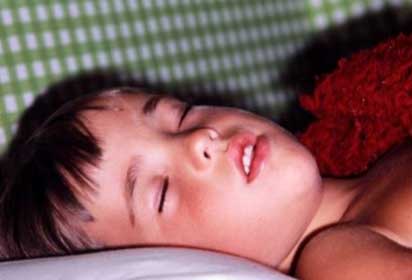
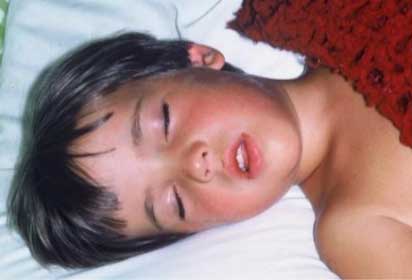
Confirmed mouthbreathing while sleeping. Dad?! This is embarrassing. (This is my youngest son.)
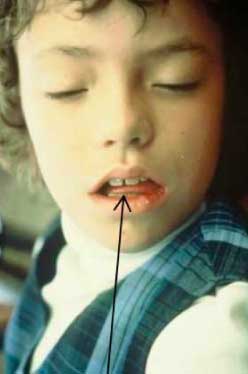
“Mouthbreathing” while sleeping. Note the abnormal tongue position (low and forward), which can influence excessive development of the lower jaw, insufficient growth of the upper jaw, or failure of the teeth to come together or “mech.”

This photograph typifies the “adenoid face” look in a “mouthbreather.” Notice the area under the eyes; often referred to as “allergic shiners.” The lips” have basically no “tonicity” or muscular contraction potential. Quite often, the openings to the nose remain quite small because they do not develop to normal size due to the absence of FUNCTION.
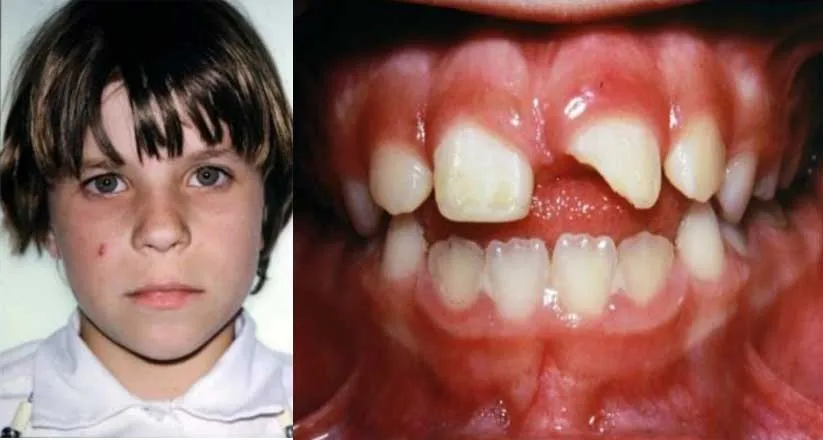
The presence of an openbite is related to an unfavorable tongue position, which in turn is most often associated with “mouthbreathing.” Quite common in “mouthbreathers” is a lower lip that is at least twice as large as the upper lip.
During the clinical evaluation, the well-trained specialist will assess the facial characteristcs as well as the presence of enlarged tonsils, turbinates, adenoids, nasal cartilage, and tongue position.
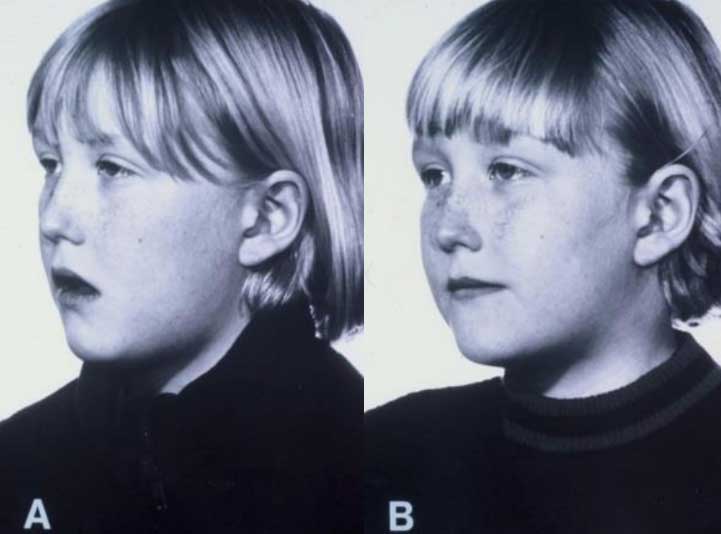
A. “Mouthbreathing” due to an obstructive airway caused by enlarged adenoids.
B. The facial appearance after the obstruction was removed.
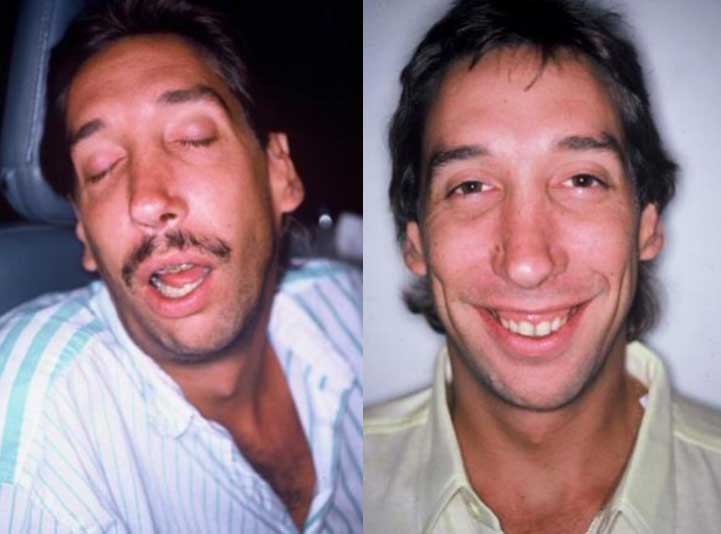
Adult patient who had previous orthodontic treatment involving tooth removal and upon a review of medical history, he denied that he was a “mouthbreather.” Well, we caught him in the act as he dozed off in the dental chair. You can also see how facial growth was altered causing a gummy smile line due to vertical over development of his upper jaw. Reason for failure: an undiagnosed breathing problem.

This is another example of a “mouthbreather.” In her case, she has somewhat of a “dull” appearance, insufficient development of the cheek bones, narrow nostrils, a flaccid lower lip, a tendency for a longer lower third of her face, and a receded lower jaw. In her case, all of the above clinical assessments are a result of “mouthbreathing” and failure to recognize it early enough in her development.
Adeneoids

When discussing enlarged tissues that may impair normal nasal breathing, I am not advocating drugs or surgery as a first line of defense. Rather I am suggesting an acute awareness that obstructed breathing can interfere with normal dento-facial development and significantly impair the FORM FUNCTION environment. I am suggesting that underlying factors be considered for a more holistic approach to managing naso-respiratory dynamics.
Tonsils:
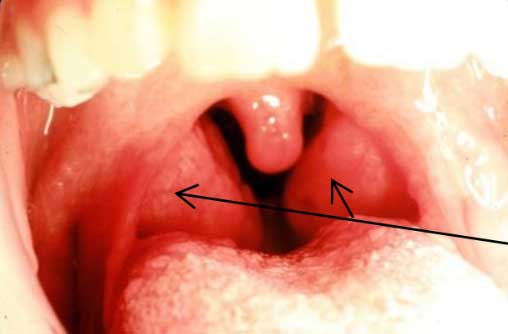
Very enlarged tonsils, which can lead to an unfavorable tongue position. This finding does not mean that the tonsils need to be removed. It definitely means that the specialist needs to determine what affects the enlarged tonsils have on facial growth and the positions of the teeth. This is also an indication for determining the cause of the enlarged tonsils.
Enlarged tonsils can displace the tongue in a forward and lower tongueposition. In this image, space is observed above the tongue and below the palate or roof of the mouth. This space will not exist with normal or favorable tongue position. If the tongue is not resting in the roof of the mouth, normal development of the upper jaw will not take place usually resulting in a deficiency in size. If the tongue remains in a low, forward position, as in this illustration, excessive lower jaw development is a possibility as is protrusion of the lower front teeth.
Turbinates:
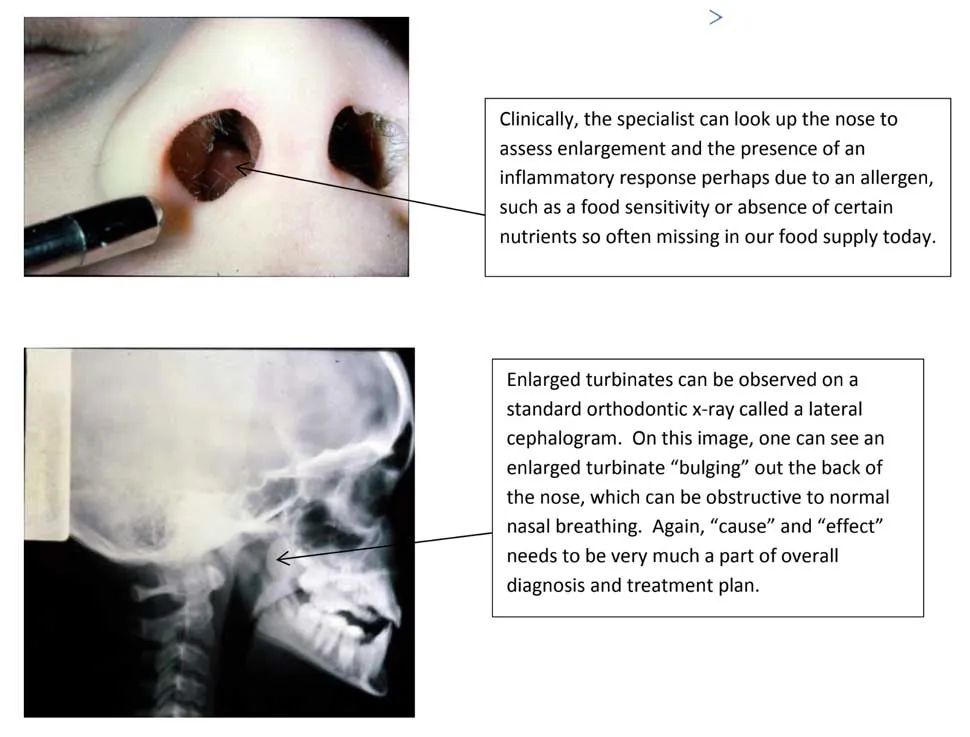
Turbinates are normal structures within the nose. Quite often the soft-tissue covering (mucous membrane) can become inflamed due to “allergic rhinitis”. With inflammation comes enlargement and, thus, obstruction. Again, determine cause.
The orthodontic specialist should obtain a frontal x-ray to assess for the presence of asymmetries as well as for septal deviation.
The Deviated Nasal Septum:
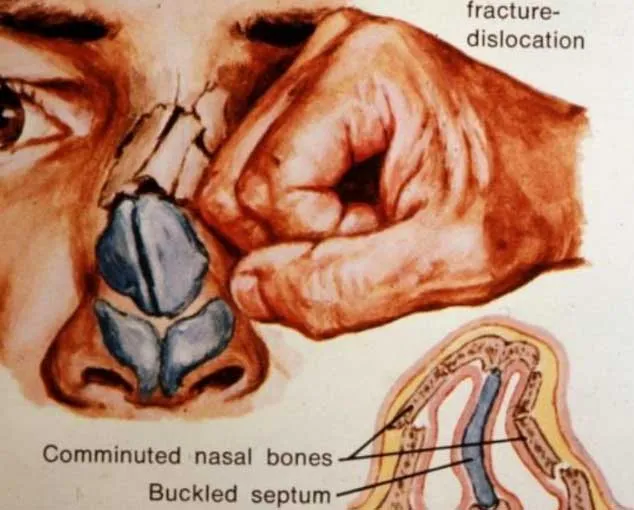
A deviated nasal septum can cause a smaller nasal chamber on the side of the deviation, which can be a cause of impaired nasal breathing. A referral to an ENT specialist is appropriate for a clinical assessment. Birthing trauma as well as a “blow” to the nose can cause a deviation in the nasal cartilage.
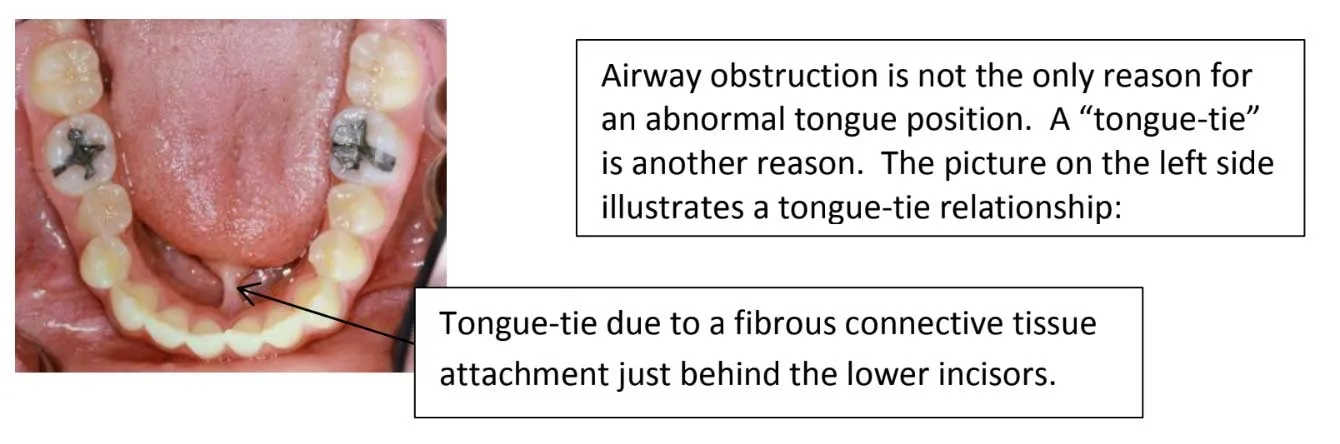
Tongue-Tie:
Failure to factor in airway dynamics into any treatment plan involving growth and development will only result in more failure. The orthodontic specialist needs to place airway management as the number one consideration to normalize dental and skeletal development whether it be in a growing child, an adult patient, or a TMJ patient. This is a first line consideration and is not to be overlooked.
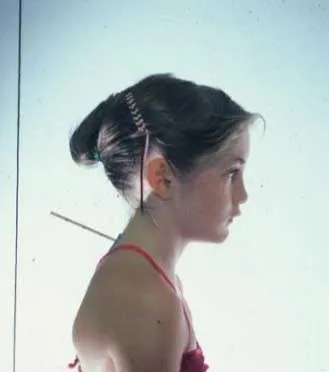
Airway considerations affect posture as well:
Airway obstruction is often associated with a forward head posture as the body will compensate for abnormalities in one area by making adjustments in other areas. This is just another example of: Form - Function
Forward head posture

Improved head posture
As a naturopathic physician / orthodontist, I embrace a more holistic approach. Let’s intervene early to prevent the problems in the first place or at least reduce the severity. This is the time when you have the greatest opportunity to influence growth and development, avoid extractions of teeth, prevent early damage to the jaw joints, and arrive at the most esthetic and stable / durable outcome.
Do you have questions for Dr. Dierkes? We encourage you to make an appointment us to bring your child in for a consultation. We'd love to meet you!
What’s next? Let’s take a look at more easily recognized features that contribute to bite disharmonies or maloclussions in general and the treatment objectives associated with these discrepancies. Since most orthodontic problems are problems of deficiencies and occasionally excesses, let’s now take a look one of the most common reasons for crowded and protruded teeth: narrow arch form or arch deficiency. Let’s begin with the upper jaw as it influences all other considerations.


Dr. J. Michael Dierkes, DDS, MS, NMD is a nationally recognized orthodontic specialist who has been creating beautiful smiles for over 30 years. His services have improved the lives of people from Roswell and the surrounding areas, including residents of Sandy Springs, Alpharetta, Marietta, and Atlanta. Whether you are an adult, a child, or a teenager, our knowledgeable staff is committed to helping you achieve the radiant, beautiful smile you deserve. Please call us today to schedule your initial consultation!